-
Bengal Biennale 2026 - 2027
-
Exhibition
And the trees sing resistance songs
Exhibition Note
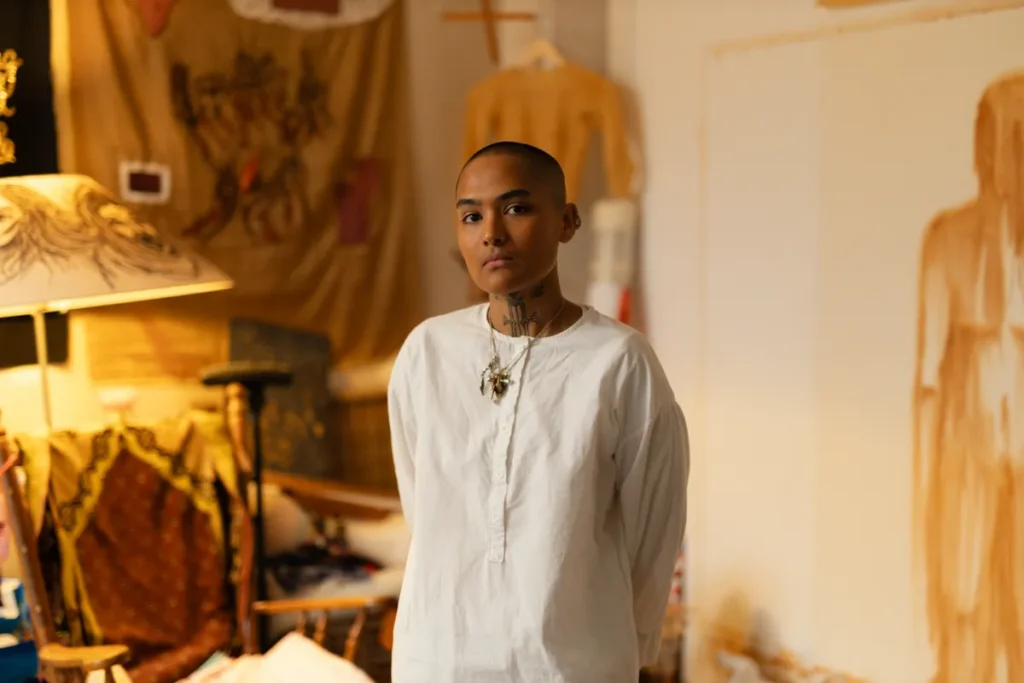
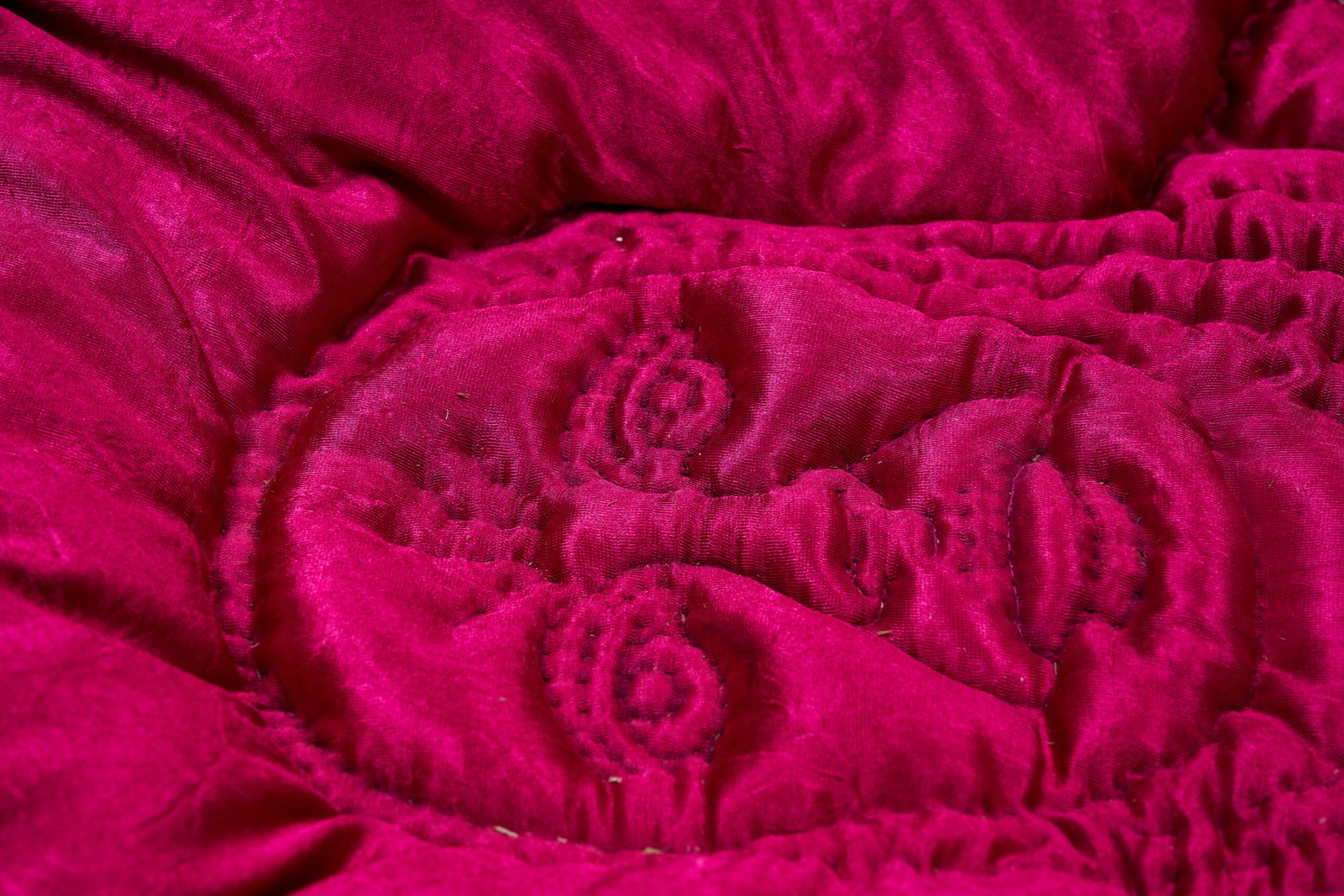
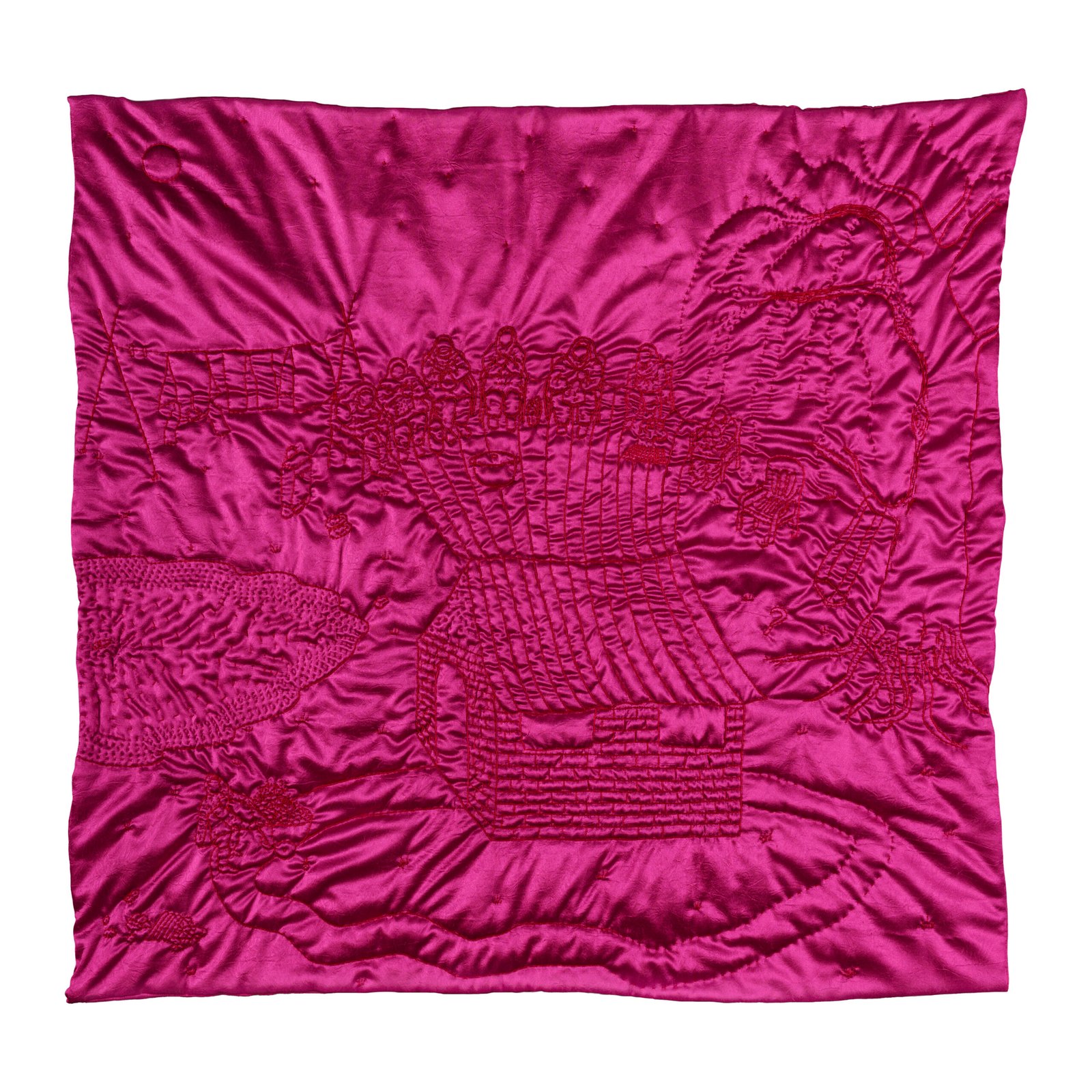
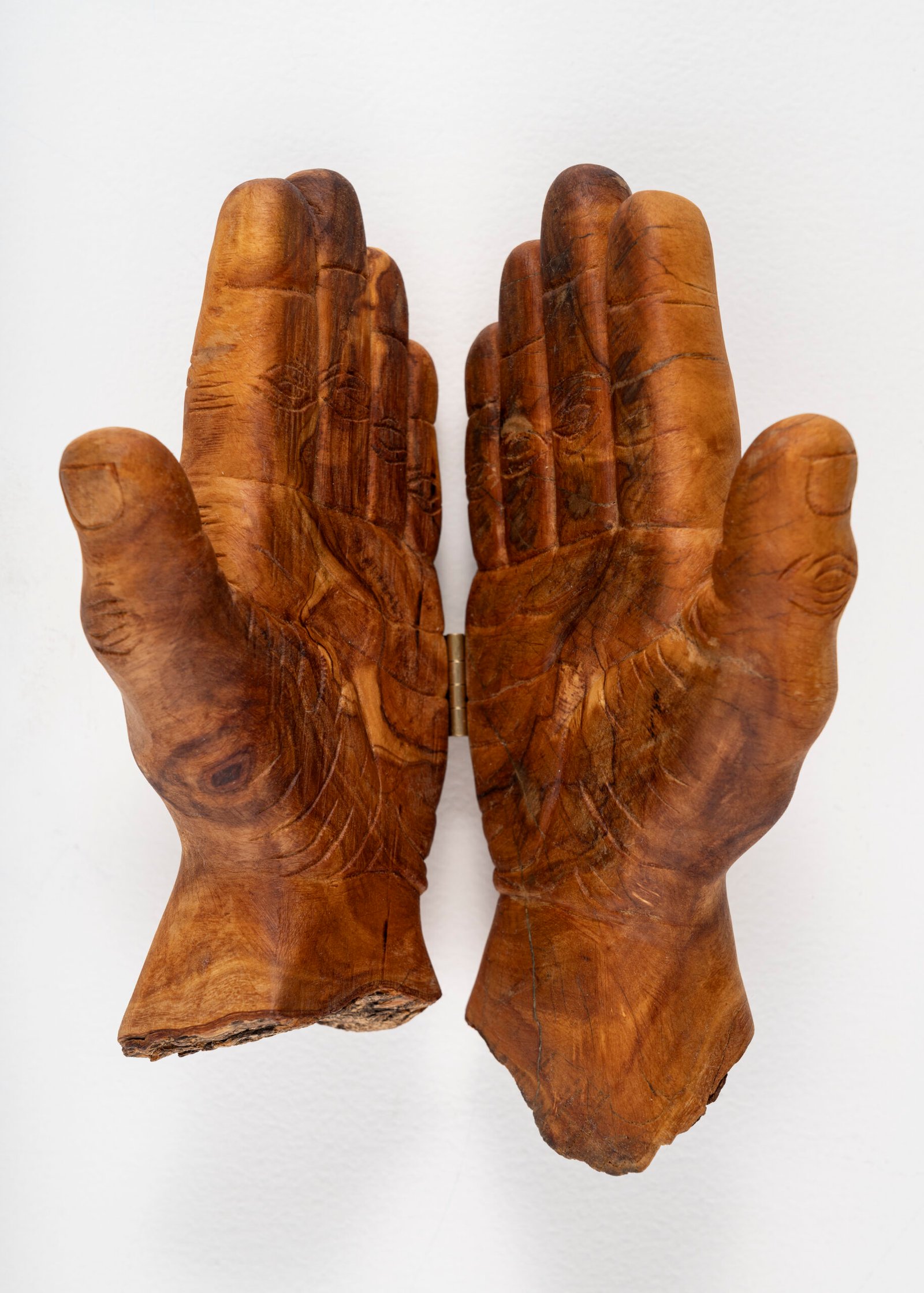
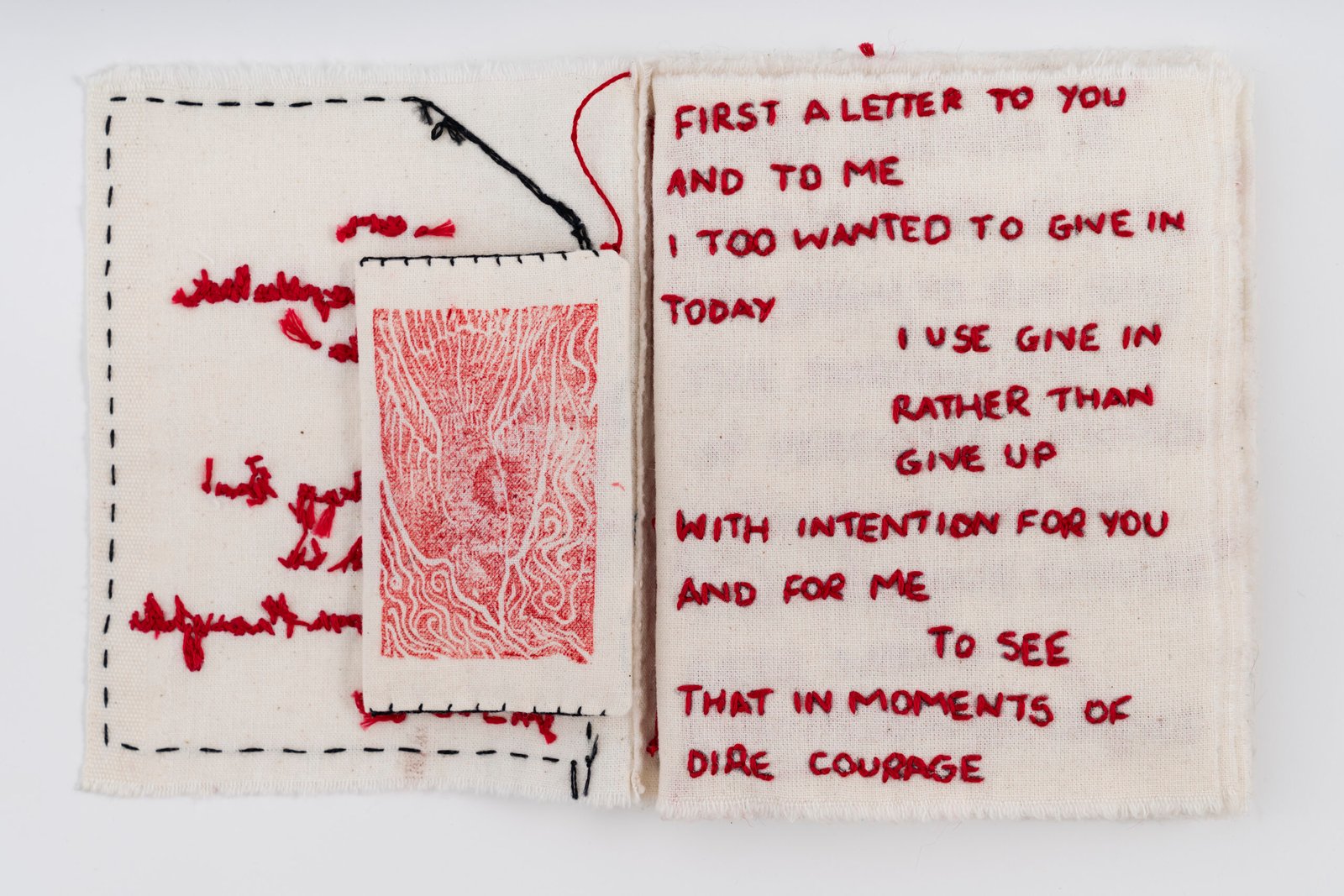
Rah Naqvi’s work sutures and hums through grief, dissent, and wounds in the wake of ongoing genocides and other forms of necropolitical violence. Naqvi’s practice asks — soft, insistent, unequivocal— in a country which is increasingly policing and erasing the lives of women, religious minorities, queer and caste-oppressed people, how do we continue to have faith and build community with one another in a land (forests, waters, soil) that has formed us?
Date & Time
Date:
November 25, 2026
- January 2, 2027
Please Note:
Closed on Mondays